

This is an archived article that was published on sltrib.com in 2010, and information in the article may be outdated. It is provided only for personal research purposes and may not be reprinted.
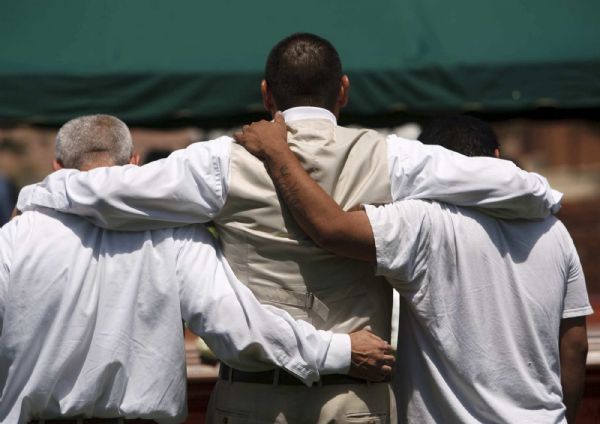
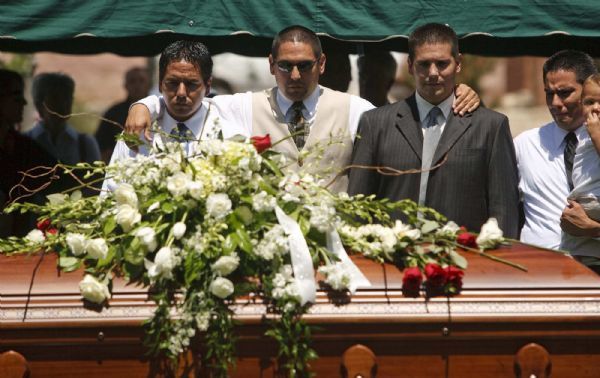
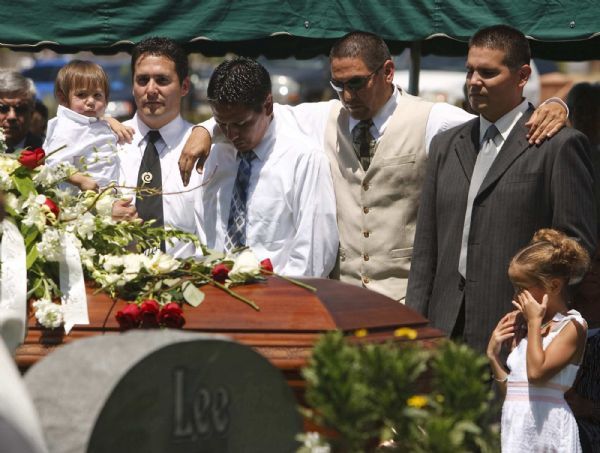
Washington City » Hundreds of friends and family members of the late George P. Lee gathered Tuesday to remember a man of firsts who spent much of his life putting others first.
The first American Indian to earn a doctorate at Brigham Young University, Lee, a former high school principal and college president in Arizona, helped thousands of Navajos get an education. He would help poor tribal members pay their rent, buy their food, even haul them around in his car -- sometimes, his former wife recalled, squeezing out her or their seven children.
The first American Indian to become a Mormon general authority, he once tapped the family's vacation money to pay church tithing.
"The next week he was called to be a mission president," said Kitty Hughes, Lee's ex-wife. "Would he still have been called if he didn't pay the tithing? I don't think so."
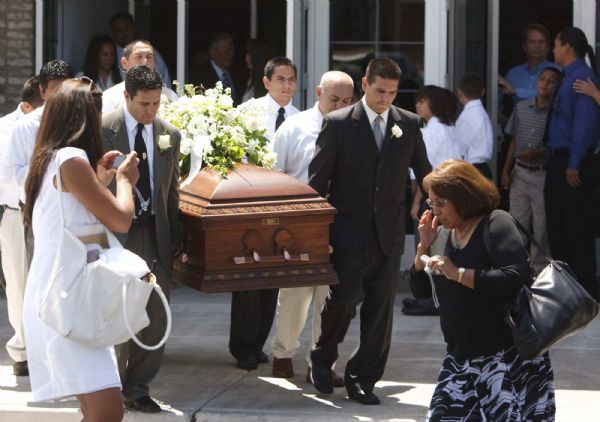
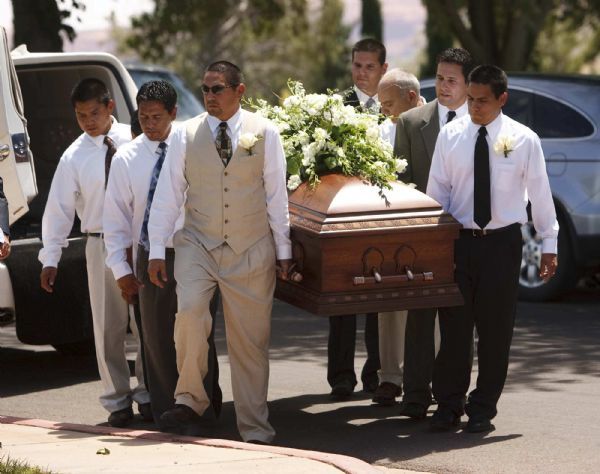
Lee, who died July 28 after a long illness at age 67, was honored Tuesday at an LDS stake center in southern Utah's Washington City in a multicultural funeral that lauded his generosity and drive and paid homage to his Mormon and Indian roots.
"He extended love to all he met on his path," said his sister, Lucy Lee, who delivered a prayer in Navajo and English. "He was my friend and brother and there for me many times, and he will always be in my heart."
Lee, a member of the Navajo Nation, was named at age 32 to the LDS First Quorum of the Seventy in 1975 by then-President Spencer W. Kimball. He was excommunicated 14 years later for "heresy" and "conduct unbecoming a member of the church."
Lee insisted his ouster was the result of his opposition to changes in the Utah-based faith's approach to American Indians.
In 1994, he pleaded guilty to attempted sexual abuse, admitting he earlier had molested a 12-year-old girl. He was sentenced to probation and counseling.
Dale Tingey acknowledged his friend had troubles, but reminded the 200 or so mourners that everyone does.
"He had problems we'll let [President] Kimball take care of on the other side," Tingey said.
Robert E. Wells, another friend and an emeritus member of the First Quorum of the Seventy, warned against judging others and praised Lee for his speaking talents and sense of humor.
During Lee's first LDS General Conference speech, Wells recalled, his friend got up to the podium and, staring into 6,000 mostly white faces, quipped, "Now I know how General Custer felt."
"It was the best one-liner I ever heard in the Tabernacle," Wells said.
Chad Lee turned to his father's love of fishing for an analogy summing up his dad's character and search for spiritual truths.
Some fish from the shore, Chad explained, but devoted anglers use a boat, have better tackle and enjoy a greater experience. Shore fishers, he continued, seek spiritual sustenance based largely on luck, while boat anglers seek out greater understanding and spiritual depth.
His father, Chad said, definitely fished from a boat, casting his bait into deeper waters. "I try and cast my line where my father cast his."
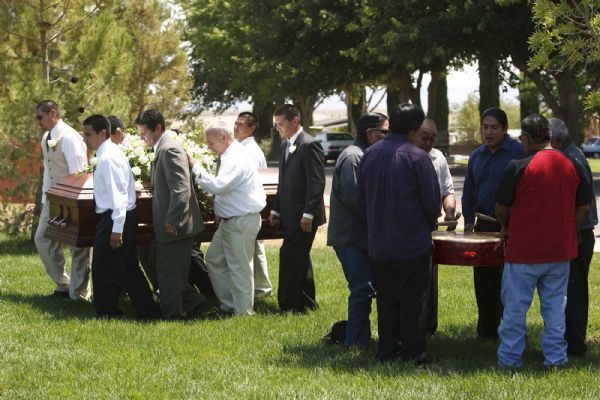
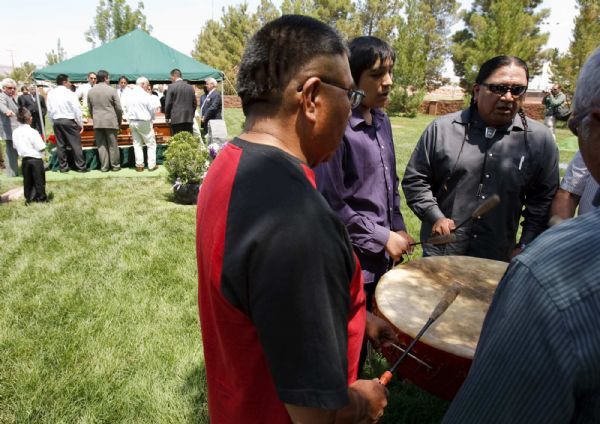
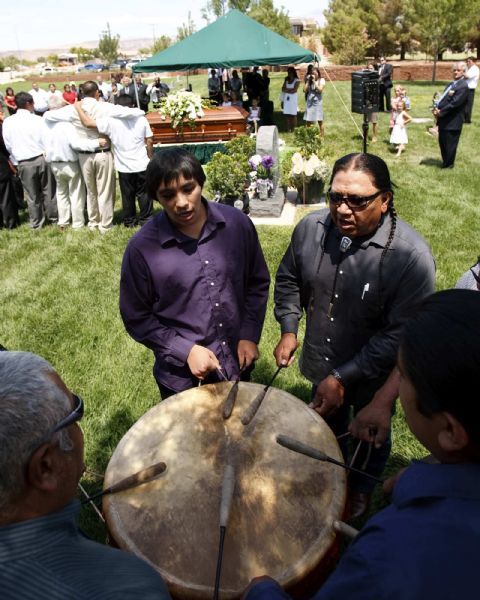
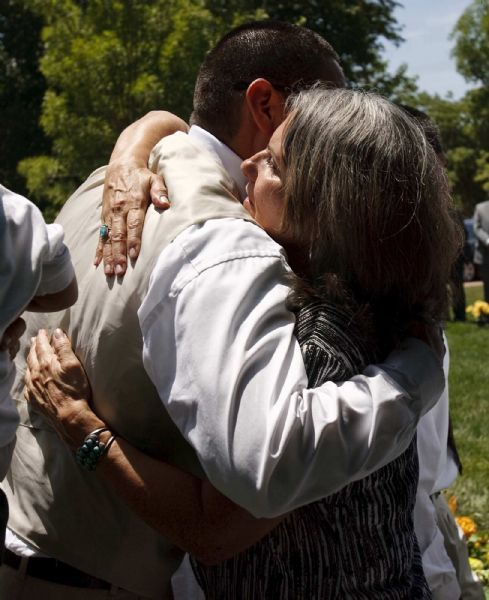
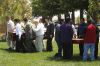
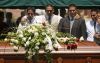
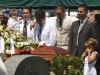
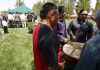
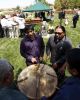
At the Washington City Cemetery, Paiute tribal members performed a drum ceremony for Lee as family members paid a final tribute before the flower-laden coffin.
Mel Farnsworth said he had known Lee for most his life. He said Lee did much good for the LDS Church's former Indian Placement Program, which allowed American Indian children to live with Mormon families. His dedication, Farnsworth said, led to better schools and education programs for tribes.
Arvilla Parson, an Iroquois now living in St. George, said she attended the funeral to pay respects to a man whose autobiography, Silent Courage , is an inspiration in her life.
"One thing he said was we should all be colorblind," Parson said, "and that is how I live."