





This is an archived article that was published on sltrib.com in 2016, and information in the article may be outdated. It is provided only for personal research purposes and may not be reprinted.
Rio de Janeiro • Shadows covered the Olympic Stadium field in the 31st minute of a soccer game with a 3 p.m. kickoff Thursday.
Welcome to another Summer Olympics, in the middle of winter.
This is not the first set of Summer Games in the Southern Hemisphere, with Australia having been a two-time host, but the Olympics are new to South America. The infrastructure and organization of Rio's Games have been subjects of curiosity, derision and fear, raising questions about whether Brazil can make this work or if the Olympics ever will return to this continent.
In another readily available metaphor of the operation, firefighters were summoned to use bolt cutters to open a gate to Maracanã Stadium, site of Friday's Opening Ceremony. Olympic officials lacked keys to the facility.
More follies are sure to surface between now and Aug. 21. Yet the games will go on. The Olympics are here, and, as always, athletes can feel the competitive vibe. In the Olympic Village, "The energy almost punches you in the face," said beach volleyball player Casey Patterson, a former BYU athlete.
The hope in Rio is that the sporting events can rise above the problems associated with staging the Olympics, as the athletes perform. The presence of a refugee team from various countries signifies "how amazing and how powerful the Olympics really is," said American swimming star Michael Phelps. Athletes "are able to enjoy ourselves and come together for two weeks, to be at the coolest sporting event you can go to and interact with people from every single part of the world."
Even with fans filling only about one-fifth of the Olympic Stadium's 60,000 seats for Thursday's Honduras-Algeria men's soccer game, allowing the referee's whistle to be heard above the concourse, the atmosphere was lively. The low attendance partly was explained by the Brazil team's playing at about the same time, 580 miles away in Brasilia, but questions persist about whether Brazilians will support these Games at every venue.
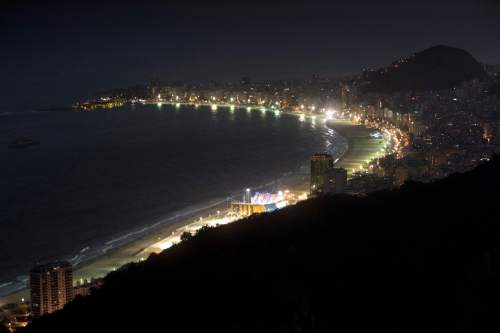
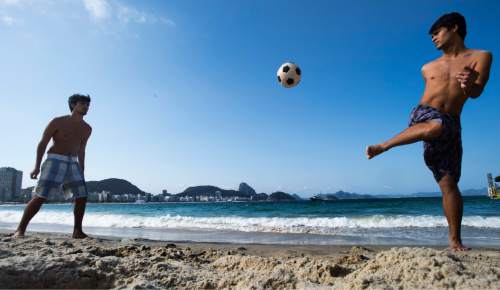
They'll probably come to the beach, though. U.S. star Phil Dalhausser, a gold medalist in 2012, remembers playing in London in front of historic buildings at Horse Guards Parade in a spectacular, if not quite authentic, setting for his event. Rio is different, with the natural sands of Copacabana Beach creating "an awesome venue," Dalhausser said. "Playing in Brazil where beach volleyball is very popular, especially in Copacabana where people have played it for a long time, there's a little more energy about it."
Inside and outside of the venues, concerns about security have activated Brazil's military. During a 30-minute bus ride from the Olympic Park to the soccer stadium, upwards of 100 soldiers with rifles were visible at various points along the road.
The dedicated Olympic transportation lanes create heavier traffic than usual, with vehicles pressed into less space.
That's the tradeoff for any host country, and Brazilians are making sacrifices to accommodate these Games.
As is recent tradition, men's and women's soccer games were staged Wednesday and Thursday at several sites around the country, prior to the Opening Ceremony. In the stadium where Usain Bolt and other track stars will perform in the second full week of the Games, Honduras opened the men's tournament with a 3-2 defeat of Algeria (Elder Torres of the Sandy-based Real Monarchs was not used as a reserve for Honduras).
And the winter weather? Thursday's conditions were ideal, about 75 degrees — only slightly higher than the temperature for the last two Winter Games in Vancouver, British Columbia, and Sochi, Russia. Warmer temperatures are in the forecast, but the days are short enough in August to make the afternoons comfortable. So as Rio's Games unfold, amid much mystery about how they will turn out, nobody should be able to complain about the weather.
Twitter: @tribkurt