


This is an archived article that was published on sltrib.com in 2011, and information in the article may be outdated. It is provided only for personal research purposes and may not be reprinted.
Juice makers are upping their games.
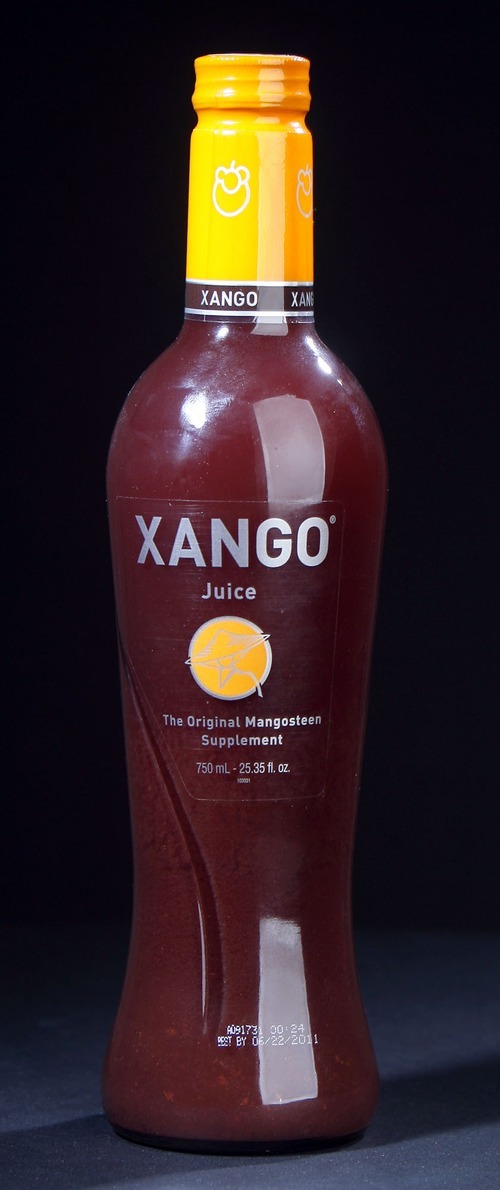
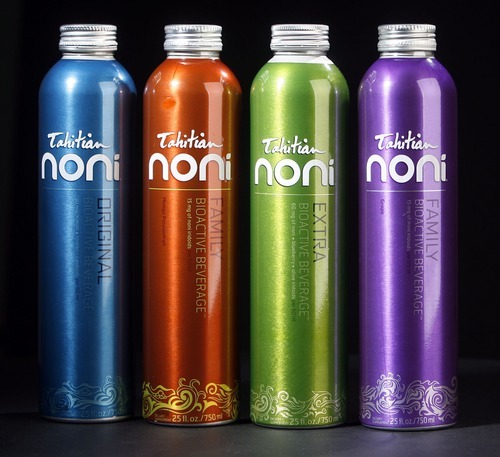
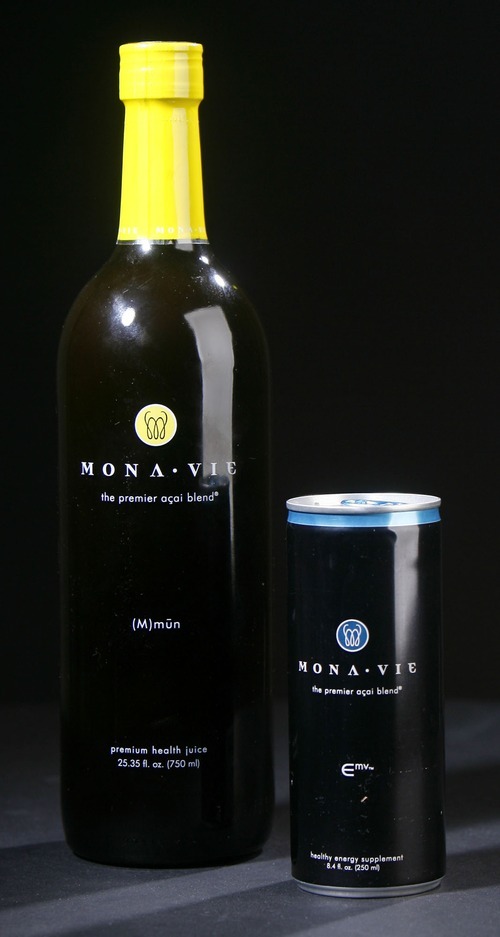
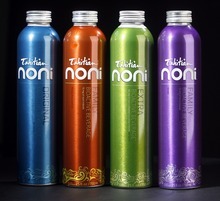
Companies such as Tahitian Noni International, headliners of Utah's booming nutritional supplement industry, built fortunes extolling the healing powers of juices made from exotic, tropical "super fruits." Tahitian Noni champions the noni, XanGo touts the mangosteen, and MonaVie boasts the once-obscure, now wildly popular açai (AH-sigh-EE).
But after nutritionists questioned some of their health claims, manufacturers rejected the "super fruit" label.
They're now rebranding their products as medicinal and pumping millions into research — not just test tube analyses of key ingredients, but randomized, placebo-controlled human trials on whole formulas.
"We don't rely on third-party research. We study our own finished product. We want to know that it has benefits as consumed," said Brett West, research director at Tahitian Noni in Orem.
In one company-funded study, the juice reduced biomarkers that indicate cancer risk in 120 heavy smokers. Another study suggested the juice can reduce high blood pressure in adults. Both were published in professional, peer-reviewed journals.
In 2009, XanGo in Lehi tested its juice on 122 overweight and obese adults. At a dose of 18 ounces per day — far higher than its label recommends — the juice reduced indicators of inflammation, which may contribute to heart disease and diabetes, the study's authors found.
But experts say they're a long way from scientific proof. And without more independent research, there's a void for thirsty shoppers.
"Just claiming a fruit has antioxidants or bioindicators of inflammation doesn't mean it has lasting effects," said Wayne Askew, chairman of the University of Utah's nutrition department.
Scientific rigor demands that the studies be replicated many times.
"But how many researchers are interested in exploring noni? It's not like an anti-cancer drug with several investigators working on it," said Askew. "These studies may benefit [juice makers] without advancing science much."
—
Antioxidant ability • The Food and Drug Administration bars manufacturers from claiming foods cure disease.
Noni, a lumpy yellowish-green fruit from a plant used in traditional healing throughout Polynesia, is instead promoted for improving endurance, boosting immune function and supporting healthy hearts, skin and joints. Similar boasts have been made for mangosteen, a fruit with a thick purple rind and sweet white pulp grown primarily in Southeast Asia. Açai, a purple berry from Brazilian forests, reportedly helps reduce inflammation and has found its way into weight-loss drinks and anti-aging creams.
Juice makers built these claims on the promise that their products are packed with antioxidants, which neutralize the free radicals (oxidizing molecules in cells) that cause aging and age-related disease.
Some studies support that. But in 2008, researchers at the University of California, Los Angeles, found açai to be a middling source of antioxidants, ranking behind red wine, pomegranate and store-bought grape, blueberry and black-cherry juices.
And in 2007, Choice, a publication by the Australian Consumers Association, found a common apple beat the antioxidant potency of juices containing açai, mangosteen, noni and the goji berry.
"It makes more sense, it's more economical, to buy an orange or apple than to spend a lot of money on an exotic new fruit that may or may not be better for you," said David Schardt, senior nutritionist at the Center for Science in the Public Interest in Washington, D.C.
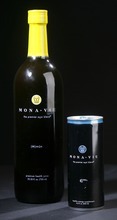
A 25-ounce bottle of MonaVie Essential retails for more than $30, or $4.60 per the daily recommended 4 ounces. Since it's a proprietary juice blend, there's no telling how much açai you're paying for.
POM Wonderful in California spent months and lots of money developing a chemical analysis of pomegranate juice, so their product could be compared to rip-offs.
No such test exists for açai, which is now found in mainstream drinks by Pepsi and Anheuser-Busch. MonaVie has patented its freeze-dried açai powder.
"Unlike with many herbs and vitamins, there's no defined quality standard for açai. You can't say one product is more authentic than the other," said Todd Cooperman, president of ConsumerLab.com, which tests supplements for manufacturers seeking its seal of approval.
—
'One more thing you can do' • Nutritionists, meanwhile, have grown skeptical of dueling antioxidant claims, saying the recommended daily intake is easily met by eating fruits and nuts and cautioning that too much may be counterproductive.
Antioxidants are complicated, explains Alexander Schauss, senior director at Aibmr Life Sciences, a nutraceutical research firm in Puyallup, Wash. The oxidation of free radicals has important benefits, such as helping the body convert fat to energy, attack bacteria and recover from exercise and injury.
Some antioxidants are absorbed well; others not at all. Their relative importance and their interactions are issues scientists struggle to understand — and juice makers are working to add to the literature.
Schauss, a member of MonaVie's scientific advisory board, found in a 2008 study that the juice demonstrated "significant antioxidant protection" in 12 healthy adults. It protected against the oxidation of low-density lipoproteins, LDL or bad cholesterol, which contributes to the development of the fatty buildup in the arteries and heart disease.
But Schauss looked at the immediate effects of consuming MonaVie — not on whether it has any health outcomes.
Açai is still a virtual unknown in the scientific world. Schauss' study in the Journal of Agricultural and Food Chemistry is one of about 72 published on the berry, compared with more than 45,000 on vitamin C and 32,000 on vitamin E. Far more is known about these supplements, and even they have yet to be embraced by groups like the American Heart Association, which recommends a healthy diet instead.
But supplement makers point out that many Americans don't eat enough fruits and vegetables.
"XanGo is not better or worse than taking vitamin C or E. It's yet one more thing you can do," said Shawn Talbott, the company's scientific adviser.
The industry is now promoting other compounds found in their products, such as phytochemicals, which some lab studies have suggested may help prevent cancer.
"Most super fruits are no better for you than apples, oranges and bananas. They just cost you a lot more," admits a promotional video on Tahitian Noni's website. "But noni is different because it's teeming with what researchers call bioactives, chemical compounds that can actually improve your health."
Jeff Graham, a senior vice president at MonaVie, acknowledged research on exotic fruits is not fully developed.
But, he notes, MonaVie has funded 11 peer-reviewed studies since its founding in 2005. "You have to have capital to do that. Five or six years ago we couldn't pronounce açai. Now 50-plus food and drink products leverage its power."
More on the fruits
Noni • The National Institute of Health is funding a clinical study of dried noni fruit extract in cancer patients at the Cancer Research Center of Hawaii. The first phase, published in abstract form only, found noni to be safe and well-tolerated by patients. Later phases will seek to ascertain any benefits.
Mangosteen • A fruit with a thick purple rind and sweet white pulp grown primarily in Southeast Asia.
To see a juice comparison, visit: http://tinyurl.com/4u6b9vt More of our supplements package:
http://www.sltrib.com/topics/supplements MonaVie Essential by MonaVie LLC
Ingredients
Each 2 fl oz serving contains patented, freeze-dried açai powder and puree and a blend of 18 reconstituted fruit juices, including, grape, apple and pear.
Price
4 bottles for $120
How it works
People use acai, the fruit of the acai palm, for osteoarthritis, high cholesterol, erectile dysfunction (ED), weight loss and obesity, "detoxification," and for improving general health. It exploded in popularity after being promoted as a "Superfood for Age-Defying Beauty" on the Oprah Winfrey show. Some studies suggest acai to be high in antioxidants, especially in products that contain the fruit pulp. Others show the fruit be a middling source. But there is not enough reliable scientific evidence to support the juice's long-term therapeutic benefits.
Sources: Consumer Reports and ConsumerLab.com Tahitian Noni Original by Tahitian Noni International
Ingredients
Each 1 fl oz serving contains (29.9 ml) of morinda citrifolia fruit nectar from pure noni puree and undisclosed amounts of grape and blueberry juice concentrate.
Price
4 bottles for $120 to $130
How it works
Traditionally, it was the leaves, and not the fruit, of the noni that were used medicinally as a poultice for wounds, skin infections and to promote lactation. Some distributors claim the juice stimulates the immune system and has proven effective in fighting AIDS, Epstein-Barr virus, cancer, lupus and kidney problems. It has also been promoted for increasing energy levels and promoting heart health. There is currently little scientific evidence to support these claims. But the National Institute of Health is funding a clinical study of dried noni fruit extract in cancer patients.
Sources: Consumer Reports and ConsumerLab.com