


This is an archived article that was published on sltrib.com in 2012, and information in the article may be outdated. It is provided only for personal research purposes and may not be reprinted.
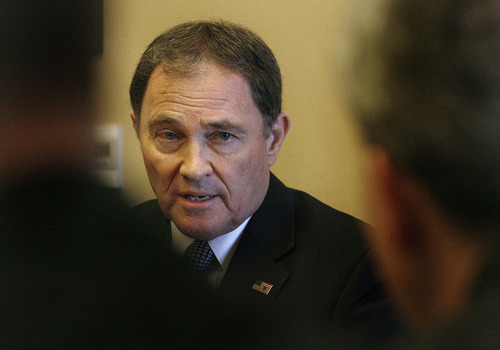
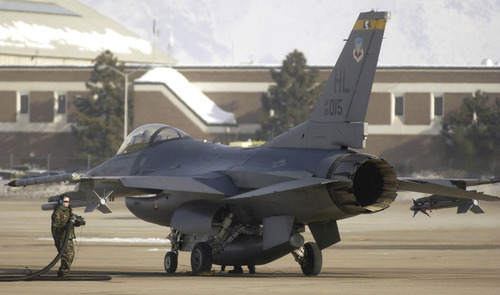
Gov. Gary Herbert and lawmakers from northern Utah are seeking $500,000 to mount a lobbying campaign to protect Hill Air Force Base from the chopping block in an upcoming round of base closures.
Sen. Jerry Stevenson, R-Layton, said losing Hill would cost the state "thousands and thousands and thousands of jobs" and be a devastating blow to Utah's economy.
"This is a big deal for the state of Utah if that base were to close," Stevenson said.
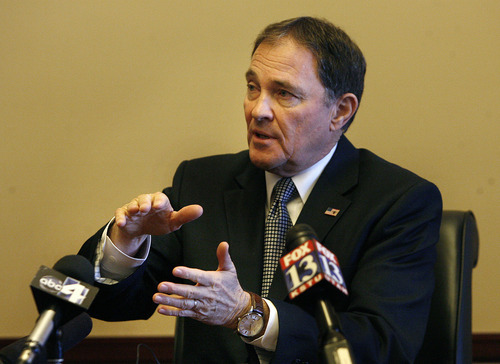
Herbert said Thursday he supports Stevenson's request for the funding.
"I applaud the effort of the federal government to balance the federal budget," Herbert said. "What I want to make sure of is when we talk about the base reduction and closing and modification, we look at it from the practical standpoint of … is it in the best interest of national defense? That ought to be our primary concern."
Herbert said any changes also have to be in the best interests of the Air Force and taxpayers.
He said the $500,000 in funding could ensure decision-makers understand what Hill Air Force Base offers to the Air Force and the military.
Last week, Defense Secretary Leon Panetta said the Obama administration would request two new rounds of base closures, with the first starting as soon as next year. During the last round of base closures in 2005, Utah helped fund the Utah Defense Alliance, which hired staff and contracted with a Washington lobbyist.
Stevenson said his proposal is to give the $500,000 to the Governors Office of Economic Development for distribution to the Utah Defense Alliance to pay for travel to Washington for alliance boosters and — if the model from the last round of BRAC is followed — retired Air Force brass who argued to keep the base open.
"We saw the value of the Utah Defense Alliance in the previous BRAC rounds," said House Majority Leader Brad Dee, R-Ogden. "We're not asking for special treatment. We're just asking that we have the opportunity to deliver that message."
Dee said the current administration is trying to curtail military spending across the board, which he said is not "a good message to send anywhere in the world right now, and so we here in Utah need to fight [that]."
Stevenson said there are defense contractors and software developers around the base and "a lot of small businesses in Davis, Weber and Salt Lake [counties] that support Hill Air Force Base in contracts they deliver."
Sen. Lyle Hillyard, R-Logan, Senate chairman of the budget committee, said lawmakers will consider Stevenson's request as they begin working through budget priorities later this month.
Former Utah Rep. Jim Hansen, who served as a commissioner in the last round of BRAC, recently expressed skepticism about lobbying efforts by local communities, particularly regarding arguments about the economic impact of the bases.
"It doesn't mean squat," he told The Tribune in a recent interview. "When you start looking at the eight criteria, the first one is the needs of the military. The economy of the area is a consideration, but it is way down the list." He is confident Hill will fare well based on its military value.