




This is an archived article that was published on sltrib.com in 2012, and information in the article may be outdated. It is provided only for personal research purposes and may not be reprinted.
Ten years ago, the Paralympics were just what Utahns needed to overcome an emotional hangover brought on by the end of an exhilarating Olympics.
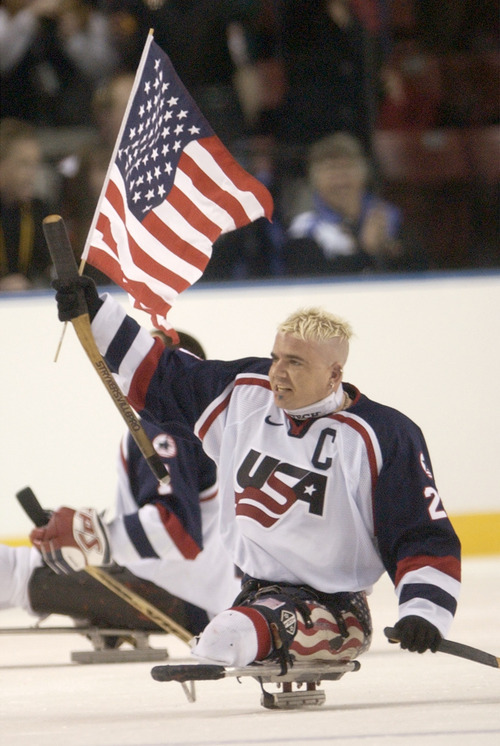
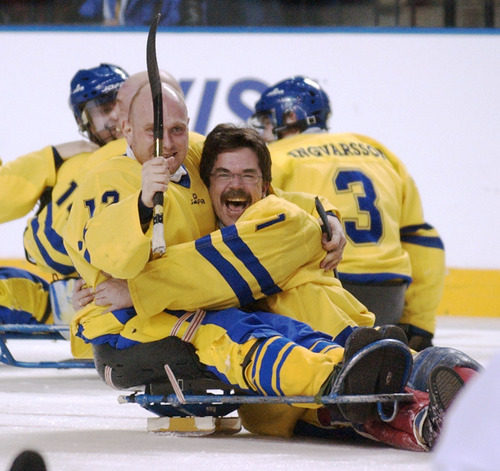
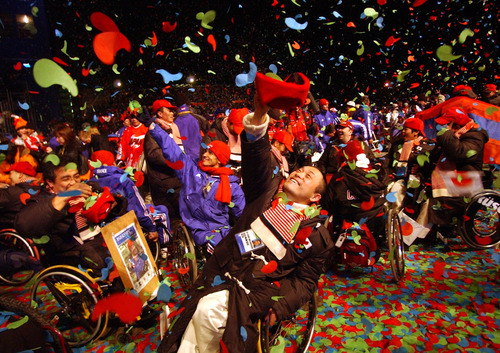
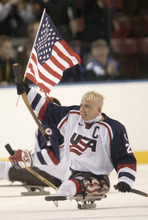
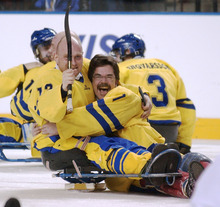
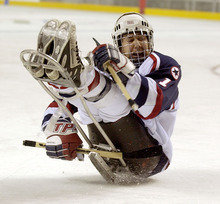
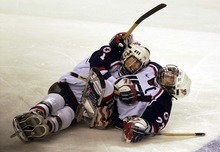
Inspiration came in many forms as 416 athletes with disabilities skied and skated before large crowds, certainly the biggest and most enthusiastic in Winter Paralympic history (212,000 tickets were sold). Indeed, sporting events don't get any more exuberant than the gold-medal game of the sledge hockey tournament, where a boisterous crowd of 8,315 packed the lower bowl of the now-Maverik Center to cheer an upstart American team to a thrilling shoot-out victory over Norway.
"Hands down, the crowd in the stands and their involvement was definitely most memorable for me," U.S. sledge hockey star Sylvester Flis said last week in an International Paralympic Committee (IPC) article paying homage to the 2002 Games. "Salt Lake put themselves on the map of being a good example of the Paralympics."
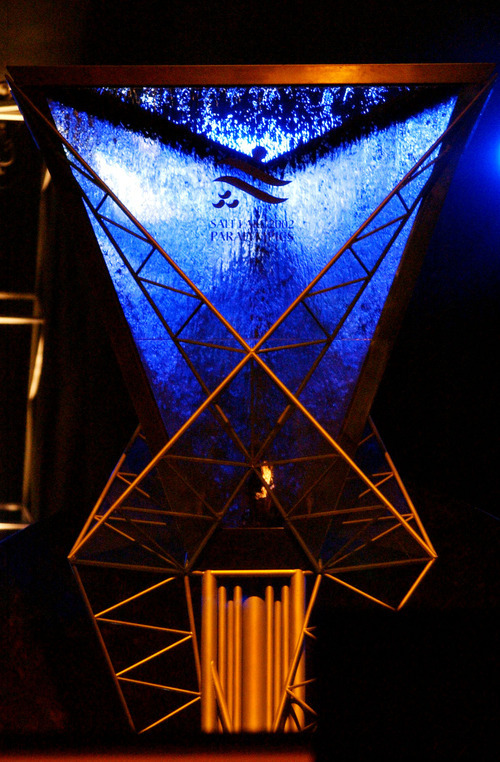
Without doubt, echoed hometown hero Muffy Davis, an alpine monoskier who lit the caldron along with fellow Salt Laker Chris Waddell. "Everybody here embraced it so well. From all the athletes I've talked to, it was the best Games they've ever attended."
Just as importantly, the Paralympics left behind a legacy that is providing a new generation of people with disabilities — including soldiers wounded in the wars in Afghanistan and Iraq — with outlets for their energies.
Jeffrey Randle, a physical medicine and rehabilitation specialist who has treated people with spinal cord injuries for decades, said the 2002 Paralympics "raised awareness among our disabled patients to what was available to them. My patients became more aware of the National Ability Center in Park City and engendered some real enthusiasm for being more involved in athletics.
"I like to say that it helped with adding life to years rather than years to life," Randle added. "A lot of people who are paralyzed injure themselves doing risky X Games types of things. To find ways where they can compete and get the thrill of freeing themselves to the edge really adds quality to their lives."
Gail Loveland sees that all the time as the National Ability Center's current executive director.
"We've grown our activities to serve more than 15,000 people last year," she said, noting that her nonprofit organization has a dozen core programs (alpine skiing and snowboarding, Nordic skiing, biathlon, equestrian, ropes courses, climbing walls, cycling, water skiing, canoeing, paddling and archery). "We have a thriving competitive alpine skiing program."
"We know most of these folks will never make it to the elite level of Paralympic committee," she said, "but they can reach their own potential and enjoy their greatest successes within their own lives."
Her employees include Ray Watkins, head coach of the U.S. Paralympic alpine ski team, and other high-level athletes with disabilities who have the experience and charisma to inspire youngsters or wounded warriors to persevere through adversity.
"Children with disabilities need people to look up to," Loveland said, "role models to be active and engaged, to help them build self-confidence and self-esteem."
That would be role models like Davis, who is now training to compete in handcycling at this summer's London Paralympics.
Ever since 2002, she feels Utahns in general have become more aware of what disabled people can do. Just being around town, "I get asked all the time, 'Are you an athlete?' I get that a lot more than I do somewhere else. The community is much more educated about what is possible — and not limiting."
Barbara Toomer, longtime leader of the Disabled Rights Action Coalition, said she has not observed wholesale changes in the treatment accorded the disabled, but she did feel the 2002 Paralympics helped "to get rid of the pity aspect of disability. I would hope that people who saw the athletes will translate their feelings into recognizing how people can still do things even though they have a disability."
Toomer enjoyed the Paralympics as a fan, taking in a pair of sledge hockey games and marveling that "those guys train, they're jocks and they can leap a curb if they meet a curb."
Recognition of that potential to do what others might think impossible came to the forefront here a decade ago.
It inspired Taylorsville resident Luana Chapman to write The Salt Lake Tribune. "Not taking anything away from the Olympic athletes, they were great, but I feel the Paralympians are the true athletes," she said. "I get a lump in my throat and a tear in my eye when I watch them compete, and my heart goes out to those who stumble or fall. I so admire all of them for doing what they are doing."
Salt Lake marked the first time that a single organizing committee had been responsible for both the Olympics and Paralympics. The Salt Lake Organizing Committee devoted a larger share of its budget to the Paralympics — including $1 million from Jon and Karen Huntsman — than any of its predecessors.
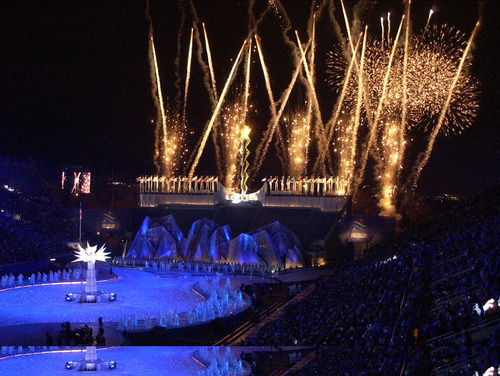
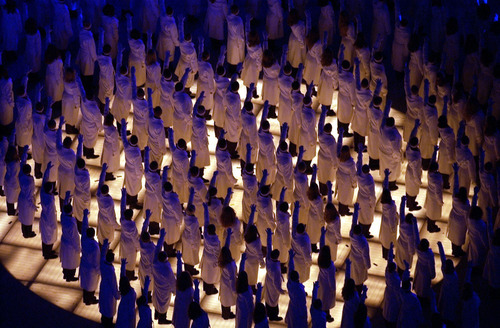
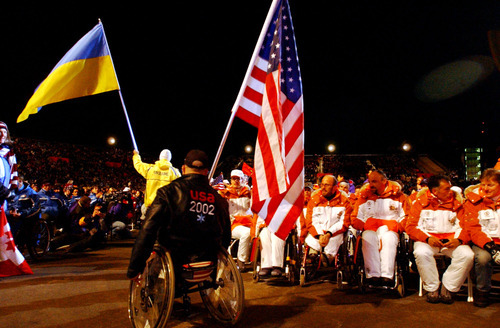
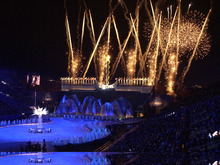
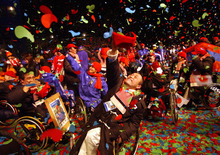
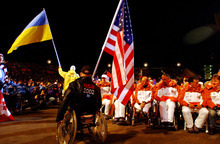
The athletes were welcomed at an Opening Ceremony where most of the 40,000-strong crowd sat through spring showers, singing along with Stevie Wonder's refrain, "We don't worry about the rain." Thousands of local schoolchildren soaked up their personal experiences of the Games at Paralympic events, and spillover enthusiasm generated sales of 19,000 additional tickets during the course of the 10-day Games, which took place at Snowbasin, Soldier Hollow and the Maverik Center.
"With such a high demand for tickets and a swarm of accredited media around the venues, the winter spectacle pushed the Paralympic Movement to new heights," said Xavier Gonzalez, who ran the 2002 Games for SLOC and now is the IPC's chief executive.
Or as his boss, IPC President Phil Craven, told then-Gov. Mike Leavitt at the end of Salt Lake's Paralympics: "We've gone to the next level. The stage is set now to really shoot for the stars. Without the Salt Lake Games, that would not have been possible."
Twitter: @sltribmikeg —
Medal count
The Germans won the most gold, but American athletes captured the most medals among the 43 countries competing a decade ago in the 2002 Winter Paralympics.
Germany • 17 gold, 1 silver, 15 bronze, 33 total
United States • 10 gold, 22 silver, 11 bronze, 43 total
Norway • 10 gold, 3 silver, 6 bronze, 19 total
Austria • 9 bronze, 10 silver, 10 bronze, 29 total
Russia • 7 gold, 9 silver, 5 bronze, 21 total
Canada • 6 gold, 4 silver, 5 bronze, 15 total
Switzerland • 6 gold, 4 silver, 2 bronze, 12 total
Australia • 6 gold, 1 silver, 0 bronze, 7 total
Finland • 4 gold, 1 silver, 3 bronze, 8 total
New Zealand • 4 gold, 0 silver, 2 bronze, 6 total
Source: International Paralympic Committee —
Paralympic stars
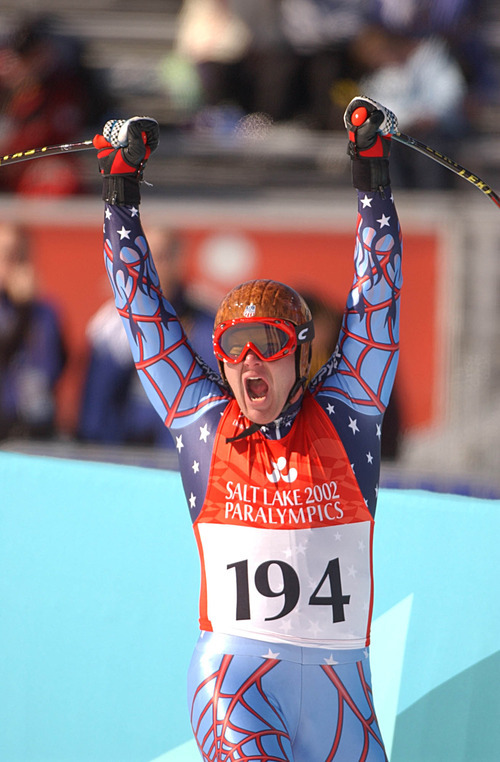
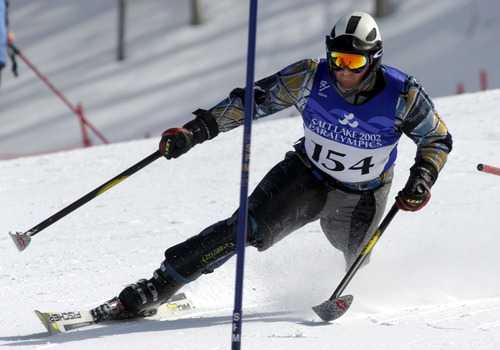
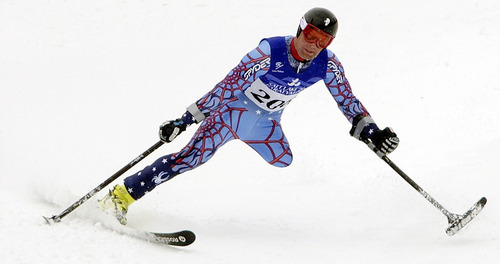
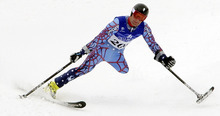
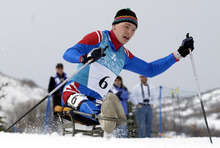
Transplanted Salt Lakers Chris Waddell and Muffy Davis received the honor of lighting the Paralympic caldron at the Opening Ceremony, then proceeded to win three medals apiece in alpine skiing. Waddell took home one silver and two bronze medals while Davis captured three silvers.
Not only did Sarah Will win all four gold medals in women's monoskiing, but she led U.S. sweeps of the top three spots in downhill, super-G and giant slalom, sharing the podium three times with Davis, twice with Lacey Heward and once with Stephani Victor. Will also bested the field on a snowy slalom course that all but five racers failed to finish.
Salt Lake City resident Steve Cook, who lost his right foot after a 1988 farming accident, won four silver medals in Nordic skiing for stand-up male athletes. He finished second in the individual 5K classic, 10K skate and 20K skate races and came within a ski's length of winning gold in a three-man relay.
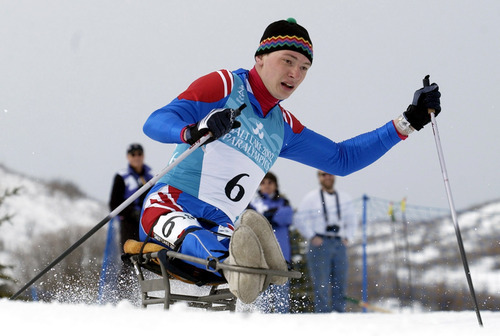
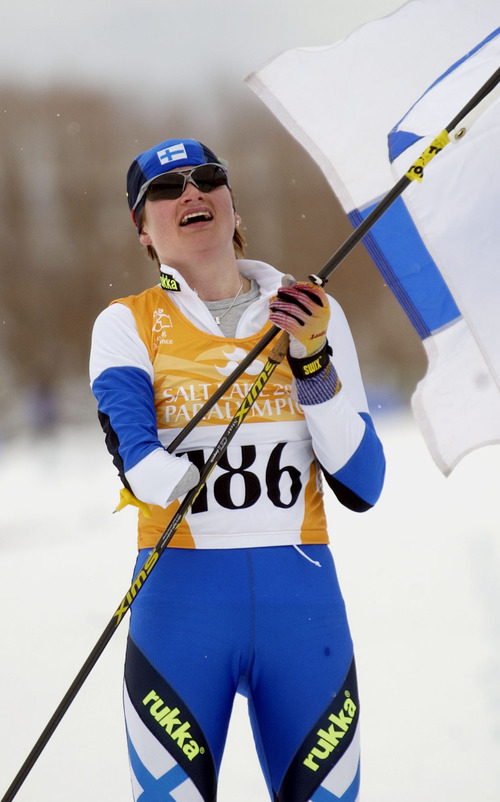
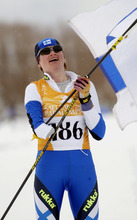
Norwegian Nordic skier Ragnhild Myklebust , a 58-year-old victim of polio, capped her career as the most decorated athlete in the history of the Winter Paralympics, winning five gold medals (four in cross country skiing, one in biathlon) to increase her career total to 27. German Verena Bentele almost matched her performance, taking three cross-country golds along with one in biathlon.
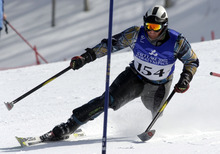
Three athletes dominated men's alpine skiing competition, sweeping all four gold medals in the downhill, super-G, giant slalom and slalom. Australian Michael Milton won the division for one-legged stand-up skiers, German Martin Braxenthaler swept the monoskiing races and his countryman, Gerd Schoenfelder , cruised to victory in the division for stand-up skiers with either upper or lower-body disabilities.
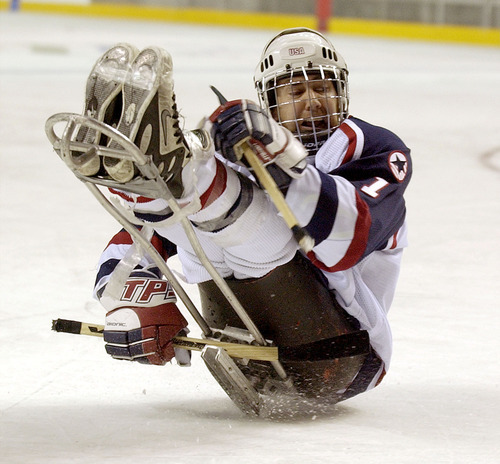
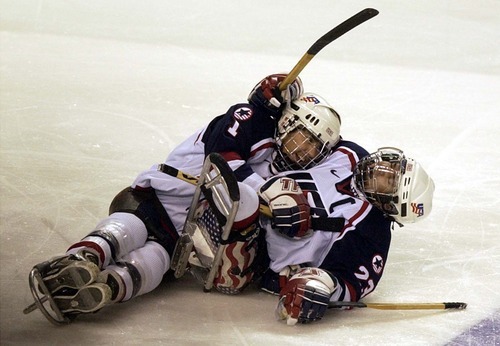
Seeded sixth coming into the tournament, the U.S. men's sledge hockey team went through the tournament undefeated and captured the gold medal with a scintillating 4-3 win over Norway.