







This is an archived article that was published on sltrib.com in 2014, and information in the article may be outdated. It is provided only for personal research purposes and may not be reprinted.
Mount Pleasant
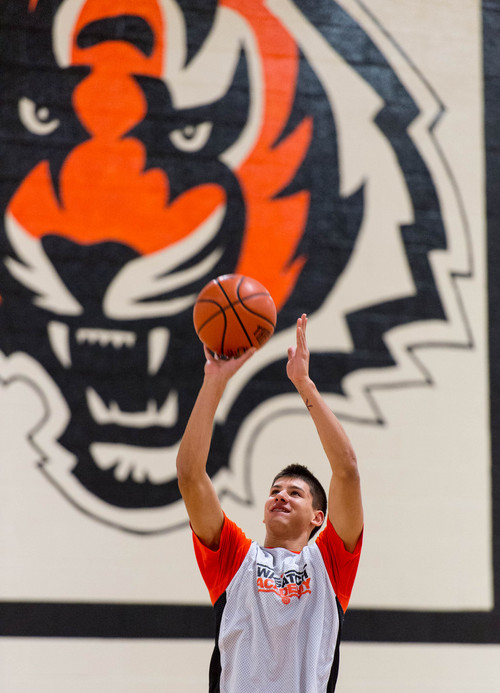
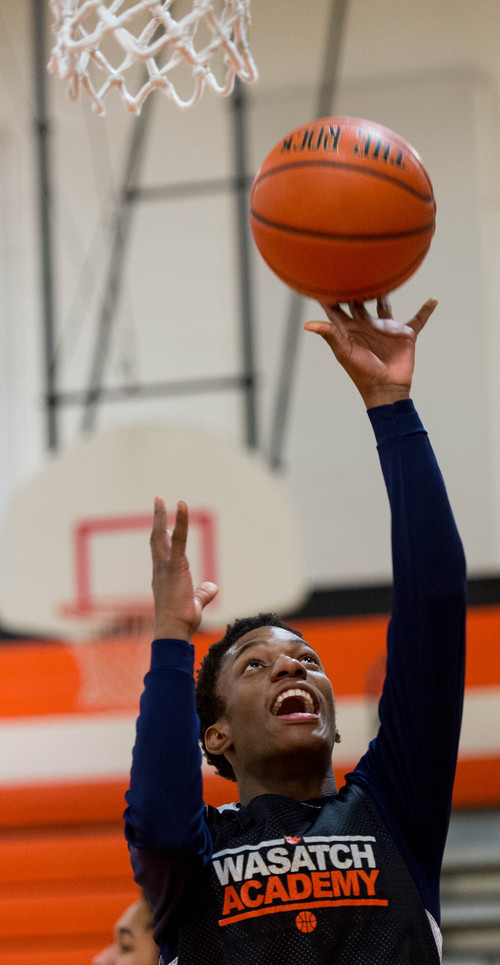
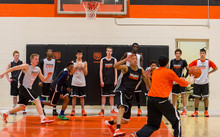
Wasatch Academy star guard Koby McEwen lounges on a leather couch in the orange-walled coach's office tucked in the boys' locker room. The sound of basketballs echo through the walls.
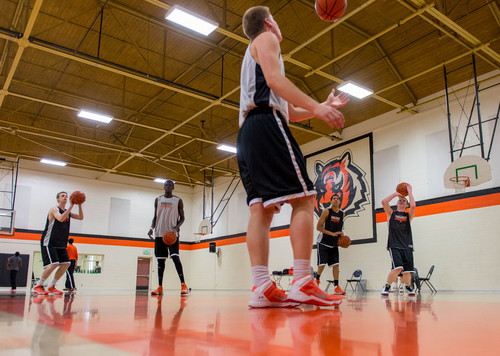
A year in which Class 2A Wasatch Academy, a private preparatory boarding school of just 340 students, has ascended to the heights of the Utah basketball world — regularly beating opponents by 40 or 50 points — is winding to a close. McEwen takes a moment and a breath and considers the legacy the Tigers will leave behind.
"One of the best teams in Utah, no matter how big our school is," he said. "I want our legacy to be Wasatch Academy is the best school in Utah, period."
That the Tigers have a right to lay claim to that title is difficult to dispute. But how they've gotten there and the effect the success has had on the rest of Class 2A, which has stood little chance against them, has earned them legions of detractors — and possibly a chance to blaze a new trail in Utah prep sports history.
—
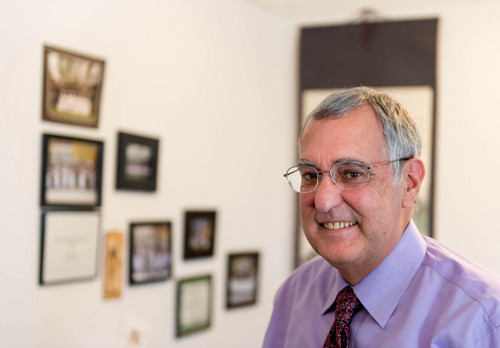
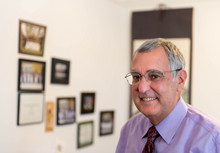
From small beginnings • Joseph Loftin, Wasatch Academy's Head of School, remembers the way things used to be.
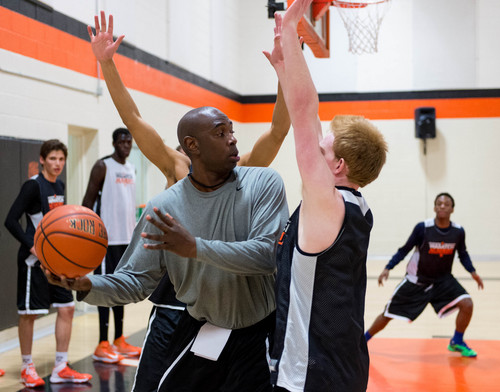
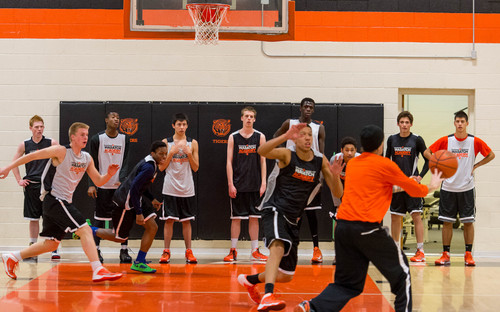
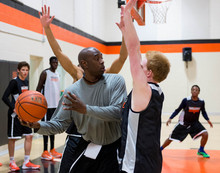
The Tigers had talent, but blowout losses were the norm. Loftin, who comes from an athletic background, knew coaching was what was missing. He began a search and found Geno Morgan, an assistant coach at Georgia's Emory University who was hungry for a head coaching job.
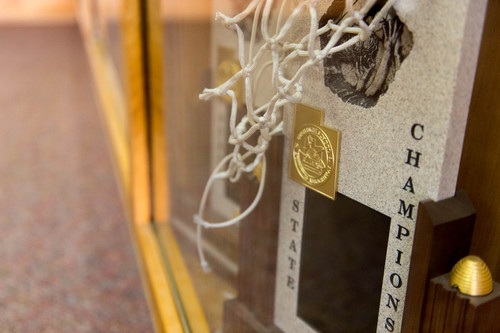
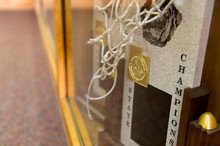
It didn't take long for Morgan to turn around the Tigers. In his first year, the 2009-2010 season, they went from a three-win team to a three-loss team. The Tigers were Class 1A champions a year later.
"We just said we wanted our kids to play the game well and compete," Loftin said. "... What he did far exceeded any expectations we had."
The Tigers moved up to Class 2A and the success has mushroomed from there. They lost just once last season on their way to another state title. They are even better this season, led by three players with Division I futures — McEwen and fellow guards Cody John and Geno Luzcando.
No team in Class 2A has come close to touching them.
—
"Us against the world" • The success has brought more than wins. It's given breath to many critics, who say the Tigers are allowed to play with an unfair advantage.
Most Class 2A teams cultivate their players from small communities, where the athletes have known each other since childhood. The Tigers' roster, however, is littered with players from around the world. Their four leading scorers, McEwen (Canada), John (Canada), Luzcando (Chile) and forward Alex Baptist (France) are from foreign countries.
South Sevier coach Rhett Parsons said the Tigers being allowed to play with so many foreign-born players has stolen the chance to win a state title from kids who grew up dreaming of just that.
"I watch these kids from, like, second grade on, and they start to emulate the high school kids playing basketball in their town," said Parsons, whose Rams have lost twice this season to the Tigers. "There's a lot of pride and tradition in the basketball team. People eat, drink, sleep it here."
But Rob Cuff, Director of the Utah High School Activities Association, said allowing private schools to compete with public schools remains the most viable option, especially given Utah's open-enrollment laws that allow teams from public schools to play with kids who live outside their boundaries.
"Just saying, 'Just take all the charter schools and all the private schools and put them in their own league' really doesn't address the fact that other schools may have kids from out of area or have foreign exchange students," Cuff said.
Allegations of recruiting also have followed the Tigers' rise. Cuff said the UHSAA has investigated multiple claims of wrongdoing at Wasatch Academy — all of which proved to be unfounded.
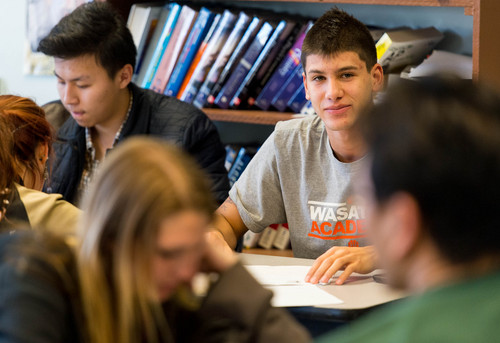
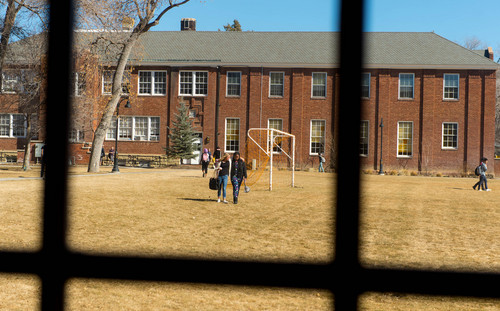
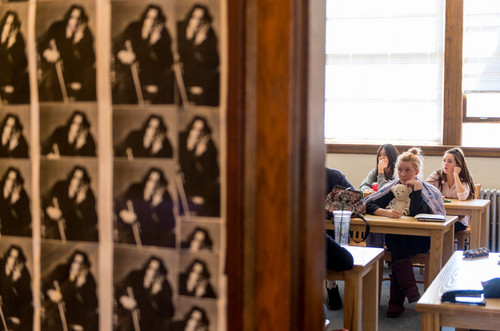
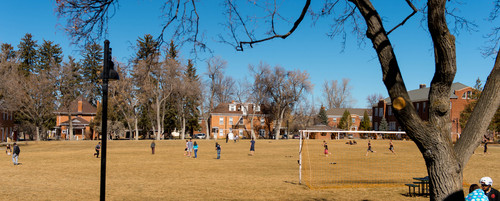
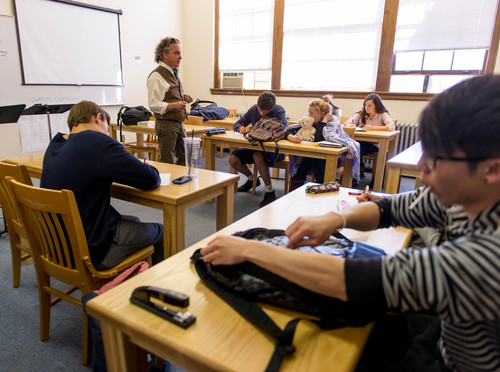
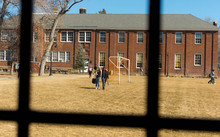
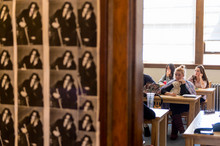
Morgan brushes off accusations that players come to Wasatch Academy for basketball. He said the team's diversity is merely representative of that of the school, where students from 38 countries are enrolled, a number supported by a quick walk around campus.
"These are people who speak about the school but who know nothing about the diversity here, know nothing about the family and unity that goes on here," Morgan said. "… It's kind of like an 'us against the world' mentality, but I'm OK with that."
But while Parsons does not accuse Wasatch Academy of doing anything against UHSAA regulations, he said it's obvious players are coming to the school for the sole purpose of getting looked at by college recruiters.
"It's not rocket science. The players are going to tell their buddies about Wasatch Academy, about where they can get colleges to look at them," Parsons said, noting John and McEwen knew each other before coming to Wasatch Academy. "They want to help their friends out."
The stories the Tigers tell paint a different picture. Luzcando insists his mother sent him to the school to learn English, a valuable commodity in his home of Chile.
Likewise, McEwen said he came to Wasatch Academy with little knowledge of the basketball program. He needed to escape his Toronto school, where drugs and guns were rampant. All he wanted was a chance at a top-flight education at a school like Wasatch Academy, which has a 100-percent college acceptance rate and sends many students to Ivy League schools.
"I know I can go to a school and play basketball. It's not a problem," he said. "But the education thing was a big plus for me."
The student body, which has rallied around the basketball team as its success has grown, is well aware of the controversy circling the team. But Hadyn Daugs, a senior at the school, said the misconceptions would easily be dismissed if everyone knew the players like those on campus do.
"The players understand how lucky they are to be here," she said. "They don't realize what a big deal they are or how gifted [at basketball] they are."
—
A possible solution • Despite insisting his team has done nothing wrong on its way to becoming a powerhouse, Morgan knows being in Class 2A is not the best fit for the Tigers.
"Us staying in 2A, if we continue to dominate, that's no fun," Morgan said. "It's no more fun than when we were getting beat by 50 and 60 points."
But a move up in classifications isn't possible under the current UHSAA regulations unless the other sports follow.
So instead, the Tigers are exploring a solution that would be groundbreaking in Utah high school sports — becoming independent. Such a move would allow the Tigers to participate in tournaments around the country while also playing any Utah team that wants to schedule them.
Wasatch Academy already has been discussing the option with the UHSAA, and Cuff said it would likely have the association's approval.
While it would mean the Tigers couldn't compete for region or state championships — there are national end-of-season tournaments in which they could compete — Morgan said it would make it easier to get top-caliber Utah teams on the schedule. And that alone would make it worth it for the Tigers, who are hungry to find out just how good they are.
"We want to compete against Bountiful, Alta, Davis, Lone Peak, all those guys," McEwen said. "We want to play them so bad."
bbrown@sltrib.com About Wasatch Academy
Founded • 1875. Enrollment • 340 students from 38 countries
College acceptance rate • 100 percent
Record over last two seasons • 48-2
Key players • Geno Luzcando, Koby McEwen, Cody John —
Boys' tournament schedules
2A quarterfinals
At Sevier Valley Center,Richfield
Thursday
• Emery vs. South Summit, 9:30 a.m.
• Merit vs. Enterprise, 11:10 a.m.
• South Sevier vs. Parowan, 12:50 p.m.
• Gunnison vs. Wasatch Academy, 2:30 p.m.
3A quarterfinals
At Centrum Arena (SUU), Cedar City
Thursday
• Richfield vs. Snow Canyon, 9:30 a.m.
• Cedar vs. Juan Diego, 11:10 a.m.
• Pine View vs. Payson, 12:50 p.m.
• Bear River vs. Morgan, 2:30 p.m.