


This is an archived article that was published on sltrib.com in 2015, and information in the article may be outdated. It is provided only for personal research purposes and may not be reprinted.
Western culture has had a fascination with mummies seemingly since the first one was stolen from its tomb in Egypt centuries ago.
But what started out as wonderment over the whys and hows of mummification has turned into something much more personal for people as they explore the lives of those mummified. That seems especially true here in Utah, where genealogy is a favorite pastime for many residents.
"It's less about the science of how the mummies were made and more about their stories — how did they live, how did they die and what was most important to them during their lives," said Andrew Parker, chief marketing officer for The Leonardo in downtown Salt Lake City.
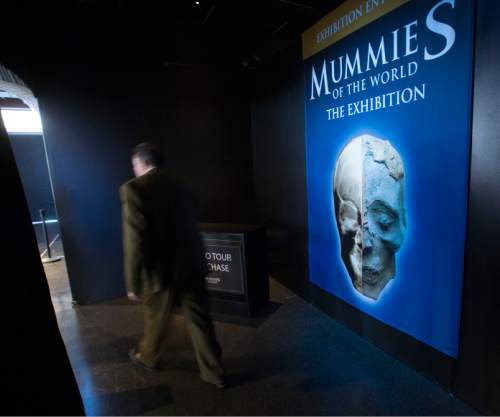
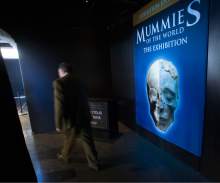
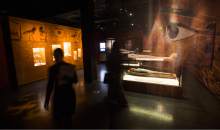
The draw of discovering how people lived in places as diverse as South America, Egypt and medieval Europe has drawn record crowds to the exhibit "Mummies of the World." The first time it came to visit Utah, more than 115,000 people attended, making it The Leonardo's second-most-popular exhibit behind the first time "Body Worlds" came to town.
This time, the mummies exhibit will have some of the favorites from before, but about 75 percent of the items on display will be new.
"Unlike you and I, the mummies in this exhibition are time travelers. These are real people who had real lives, and everyone connects with them emotionally in some way," said Marcus Corwin, the exhibit founder and producer.
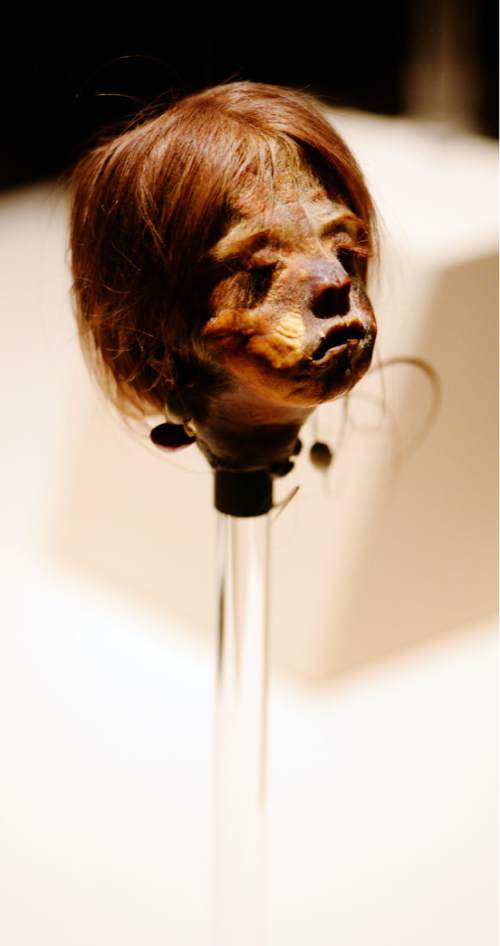
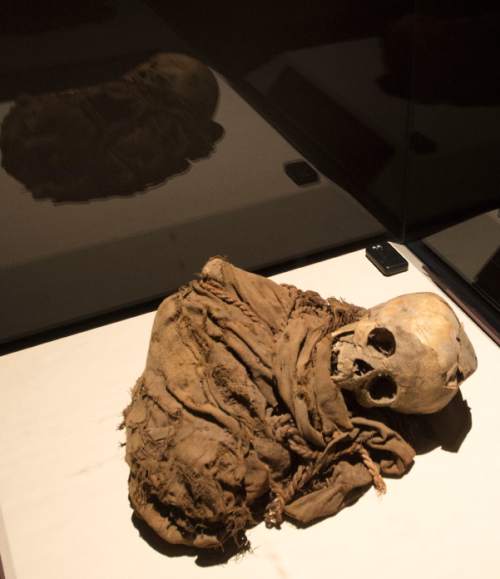
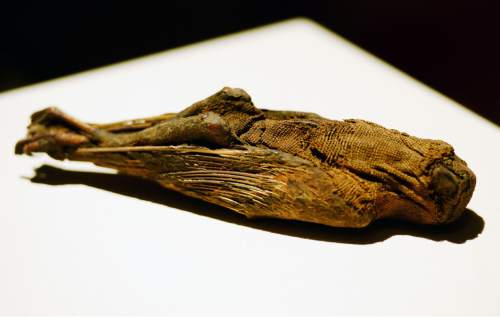
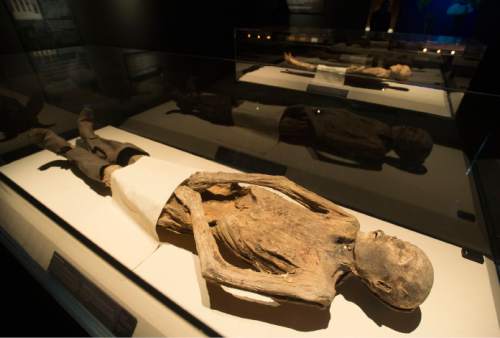
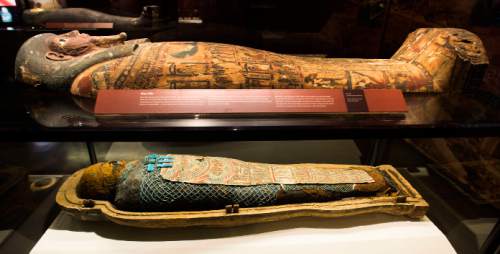
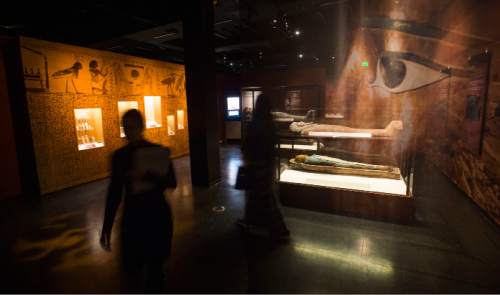
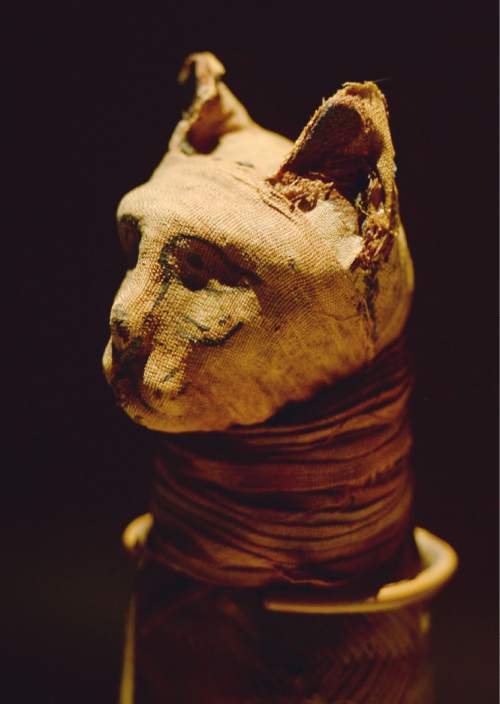
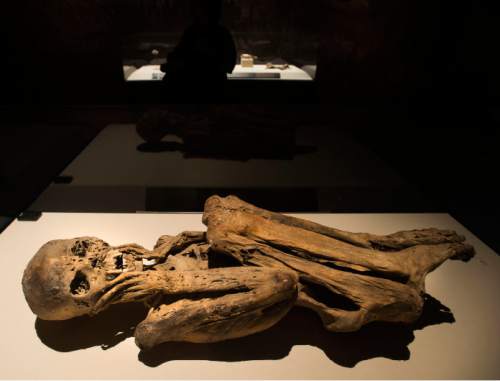
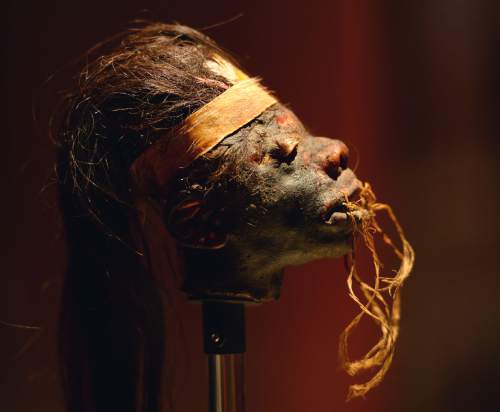
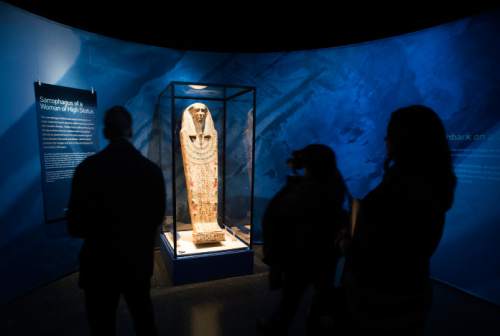
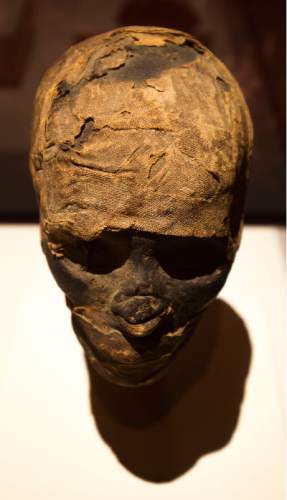
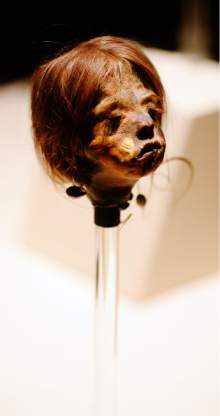
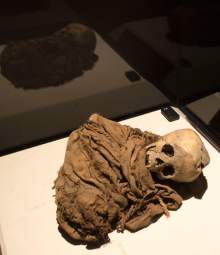
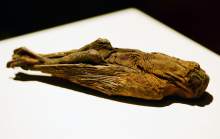
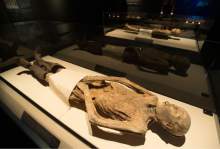
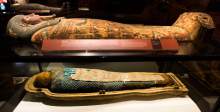
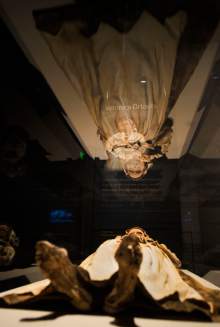
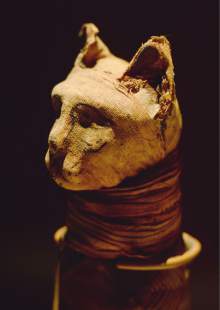
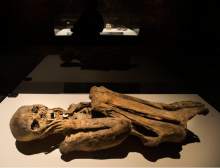
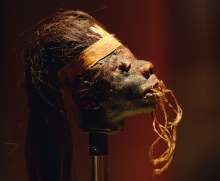
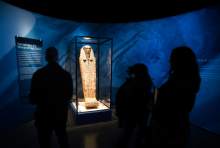
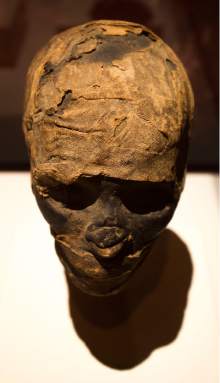
The mummies that will be on display include natural, artificial and experimental galleries. Natural mummies are of people who died in environments that preserved their bodies. Artificial mummies are the ones most commonly thought of: those from Ancient Egypt, shrunken heads and animals.
The experimental mummy centers on Mumab, a body that was mummified in 1994 by scientists from the University of Maryland and Long Island University who used ancient techniques to preserve the body.
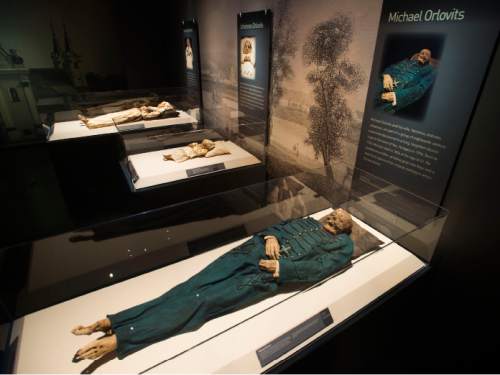
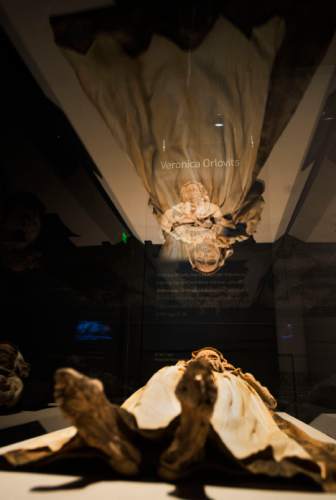
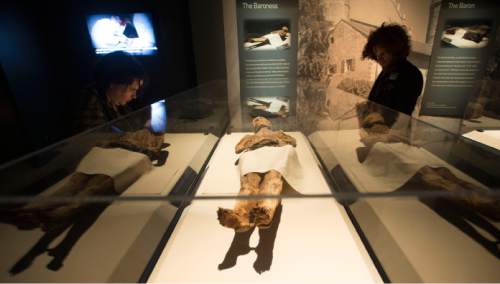
One set of mummies is a family who died of the "white plague" (now known to be tuberculosis) in 18th-century Hungary. The bodies were interred under the local church's floorboards, which were sealed over with pine oil. In the mid-'90s, renovators lifted the floorboards to find perfectly preserved bodies beneath. Church records allowed scientists to identify the people and further tell the stories about their lives and deaths.
"It's a great story, and it's amazing to get to see them in their ceremonial burial clothing," Corwin said.
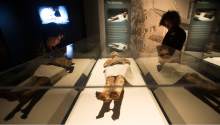
The exhibition also will feature several interactive pieces, ranging from seeing how animals and plants decompose to discovering what a mummy feels like.
The Leonardo also will hold an event called Feast of Ancient Worlds in mid-January, with chefs preparing modern-day and historical foods to further bring the mummies' stories to life.
Families who bring children often have the most positive reviews of the exhibit, Corwin said, because of the awe factor involved.
"These mummies help teach us lessons about how they lived, how they died and their cultures," he said. "Inside every mummy is a story waiting to happen." —
Explore the world of real mummies from South America, Africa and Europe in this hands-on traveling exhibit.
Where • The Leonardo, 209 E. 500 South, Salt Lake City
When • Friday, Dec. 18-March 6
Tickets • $18-$22.50; all tickets are time-specific and are available at http://www.theleonardo.org